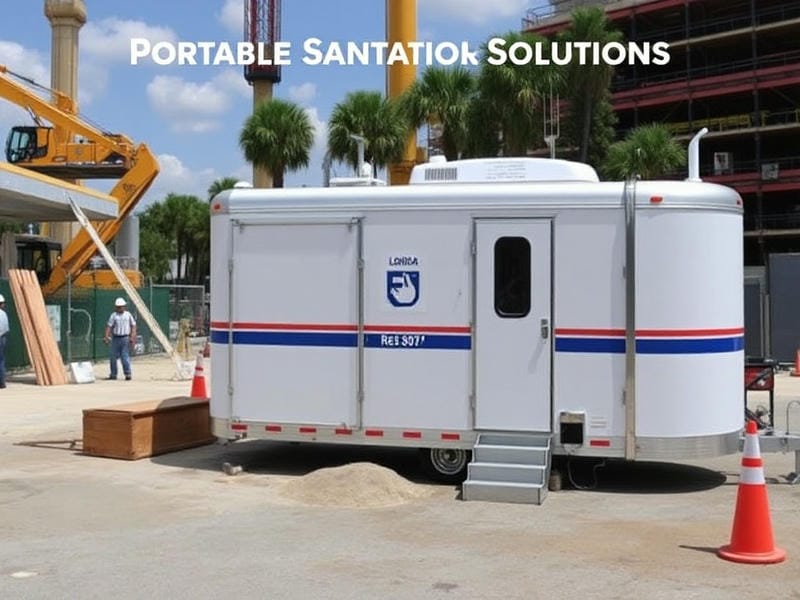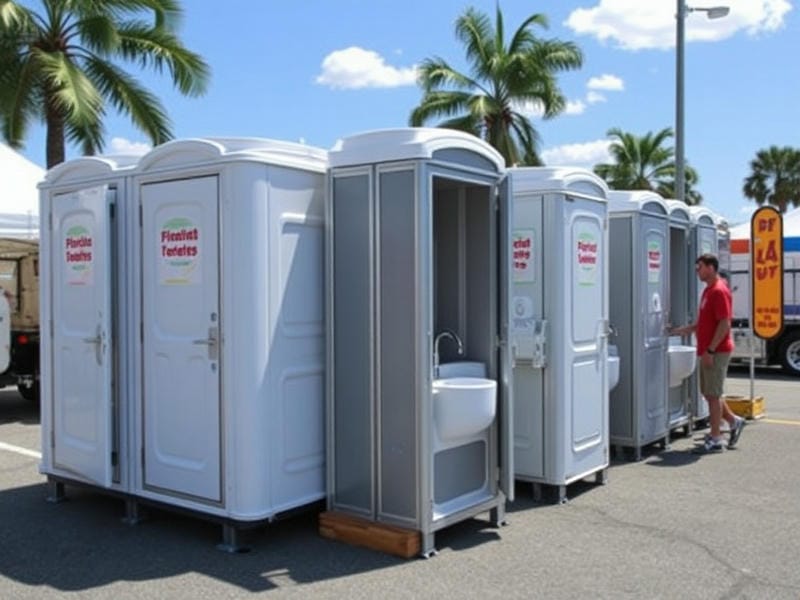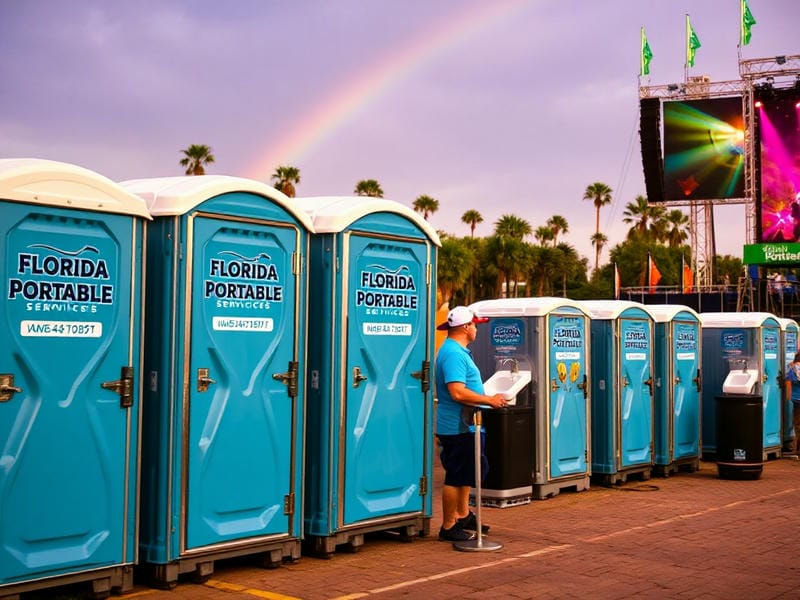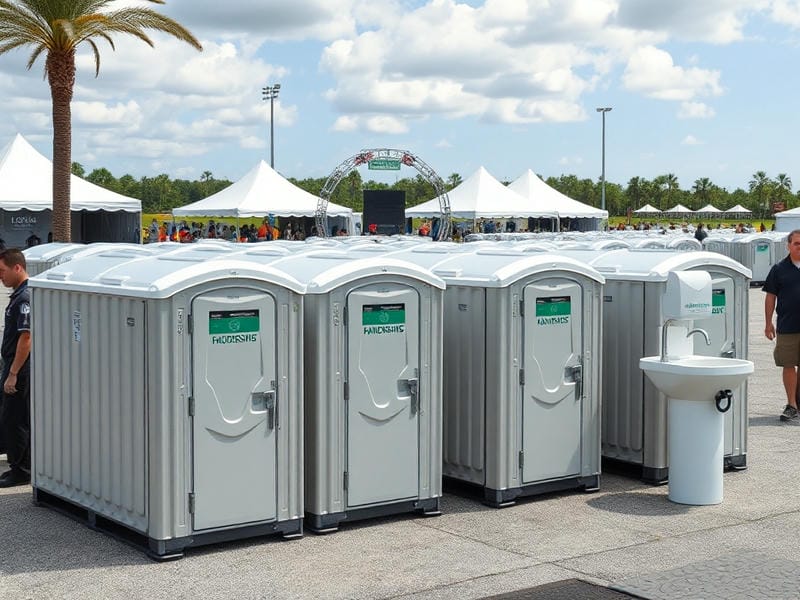
Traditional portable restrooms, often seen at construction sites, festivals, and outdoor events, have long been a convenient solution for temporary sanitation needs. However, they present several environmental challenges that necessitate innovative solutions to enhance their sustainability. As society becomes increasingly aware of ecological impacts and the importance of sustainable practices, addressing these challenges in portable restroom design and operation has become more crucial than ever.
One of the primary environmental concerns with traditional portable restrooms is waste management. Typically, these units use chemical additives in holding tanks to suppress odors and break down waste. While effective for short-term use, these chemicals can pose environmental risks if not disposed of properly. Portable sanitation services are designed to meet diverse customer needs. eco-friendly porta potty rental Gainesville blog. Inadequate disposal can lead to soil contamination and water pollution, affecting local ecosystems. The challenge lies in finding alternative solutions that minimize or eliminate the need for harsh chemicals while maintaining hygiene standards.
Another significant issue is water usage. Although portable restrooms are designed to be water-efficient compared to traditional flush toilets, they still rely on a finite resource for cleaning and servicing purposes. Reducing water consumption without compromising cleanliness and functionality is an ongoing challenge within the industry. Innovations such as vacuum-based systems or dry sanitation technologies could provide viable alternatives by drastically reducing or eliminating water requirements.
Furthermore, the materials used in constructing portable restrooms also raise sustainability concerns. Most units are made from non-biodegradable plastics that contribute to landfill waste once they reach the end of their lifecycle. This underscores the need for research into eco-friendly materials that offer durability without compromising environmental integrity. Biodegradable plastics or recycled materials could serve as potential substitutes, ensuring that once decommissioned, these structures do not persist in landfills indefinitely.
Energy consumption during transportation and maintenance is another area where improvements can be made. Traditional service vehicles consume fossil fuels, contributing to greenhouse gas emissions during routine servicing of these units. Transitioning to electric service vehicles or optimizing route efficiency through technology could reduce emissions significantly.
Innovations in sustainable design are beginning to address some of these challenges head-on. Some companies are exploring solar-powered ventilation systems that improve air quality inside units while utilizing renewable energy sources. Others focus on enhancing insulation properties to maintain interior temperatures without additional climate control resources.
In conclusion, while traditional portable restrooms provide essential services across various settings, they bring forth several environmental challenges that must be addressed through innovation and sustainable practices. By rethinking waste management strategies, adopting alternative materials and technologies, optimizing resource usage during manufacturing and operation stages-portable restroom sustainability can take significant strides forward. As society progresses towards greener solutions across all sectors, it becomes imperative for this industry too-to embrace change geared toward protecting our planet's future health alongside human convenience today.
In recent years, the push towards sustainability has permeated nearly every sector, and the portable restroom industry is no exception. As society becomes increasingly aware of environmental issues, innovations in eco-friendly materials and design are transforming how we think about portable restrooms. Traditionally seen as simple conveniences at outdoor events or construction sites, these units are now undergoing a green revolution that promises to reduce their ecological footprint.
One of the most significant innovations lies in the materials used to construct these restrooms. Conventional portable restrooms often rely on non-recyclable plastics and materials that contribute to landfill waste once they reach the end of their lifecycle. However, recent advancements have introduced biodegradable and recyclable materials which provide a more sustainable alternative. For instance, companies are experimenting with bio-composites made from agricultural by-products like straw or bamboo fibers combined with biodegradable resins. These materials not only decrease reliance on petroleum-based plastics but also decompose more naturally over time.
In addition to material innovation, design improvements play a crucial role in enhancing sustainability. Modern portable restrooms are being designed with water conservation in mind. New systems employ advanced vacuum-flushing technology similar to what is used on airplanes and trains, significantly reducing water usage compared to traditional models. Some designs even incorporate rainwater harvesting systems for flushing purposes, further minimizing their impact on local water resources.
Energy-efficient features also mark a leap forward in sustainable design. Solar panels integrated into restroom units can power lights and ventilation systems without relying on external electricity sources or fossil fuels. This self-sufficient energy model not only reduces carbon emissions but also ensures that these facilities can operate efficiently even in remote locations.
Moreover, waste treatment itself has seen innovative breakthroughs aimed at environmental stewardship. Instead of merely collecting waste for disposal at distant treatment facilities, some new designs utilize onsite composting toilets or anaerobic digestion systems that break down waste into nutrient-rich compost or biogas. This transformation not only minimizes transportation emissions linked with moving waste but also provides valuable by-products for agriculture or energy production.
Finally, embracing modular design concepts contributes significantly to sustainability goals by extending the lifecycle of restroom units through easy maintenance and upgrades rather than complete replacements when wear occurs.
In conclusion, innovations in eco-friendly materials and design for portable restrooms represent an exciting shift toward greater sustainability within this essential yet often overlooked service sector. By harnessing new technologies and rethinking traditional approaches, the industry is poised to offer solutions that align convenience with conscientious resource use-ensuring that future generations inherit a cleaner planet while still enjoying modern amenities wherever they go. Through ongoing commitment to ecological responsibility, portable restrooms are becoming emblematic of broader efforts across industries striving for harmony between human progress and environmental preservation.
In an age where sustainability is no longer a choice but a necessity, the portable restroom industry is stepping up as an unexpected leader in sustainable waste management.. With increasing pressure to reduce environmental impact, companies specializing in portable restroom rentals are innovating at an impressive pace.
Posted by on 2024-10-14
Portable restrooms have long been a staple at outdoor events, construction sites, and in emergency situations.. However, their role in eco-friendly waste management is often overlooked.
Posted by on 2024-10-14
In recent years, the conversation around sustainability has permeated numerous facets of our daily lives, extending its reach to an area often overlooked: portable restrooms. These essential facilities, ubiquitous at outdoor events and construction sites, have long been associated with environmental challenges such as significant water usage, chemical treatments, and waste management issues. However, advancements in waste management and treatment systems have spearheaded a wave of innovations aimed at transforming portable restroom sustainability.
At the core of these innovations is the drive to minimize environmental impact while maintaining user comfort and hygiene standards. One notable advancement is the integration of composting technology into portable restrooms. Composting toilets offer a sustainable alternative by breaking down human waste into usable compost without the need for extensive water resources or harmful chemicals. This not only reduces water consumption but also transforms waste into a resource that can enrich soil and support plant growth.
Another significant development is the use of advanced microfiltration and bioreactor systems in portable restrooms. These systems treat wastewater on-site, allowing for safe disposal or even reuse in non-potable applications such as landscape irrigation. By doing so, they significantly reduce the burden on local sewage infrastructure and minimize environmental contamination risks.
Solar power has also found its way into portable restroom design. Solar panels integrated into restroom units can power ventilation systems, lighting, and hand sanitizer dispensers, reducing reliance on external energy sources and lowering carbon emissions. This innovation not only enhances user experience by ensuring well-lit and ventilated spaces but also underscores a commitment to renewable energy solutions.
Materials used in constructing portable restrooms are evolving towards eco-friendliness as well. Biodegradable materials and recycled plastics are replacing traditional components to ensure that when these units reach the end of their lifecycle, they leave minimal ecological footprints. Such practices reflect a broader trend in manufacturing towards circular economy principles where products are designed with their entire life cycle in mind.
Furthermore, digital technologies are playing an increasingly important role in optimizing waste management practices within portable restrooms. Sensors can monitor fill levels of waste tanks in real-time, enabling more efficient servicing schedules that prevent overflow incidents while minimizing unnecessary service trips-contributing to both cost savings and reduced environmental impact from transportation emissions.
These innovations collectively signify a paradigm shift towards more sustainable practices within the realm of portable sanitation solutions. By addressing issues from multiple angles-waste treatment efficiency, resource conservation through innovative designs, utilization of renewable energies, sustainable material choices, and smart technology integration-the industry is making strides toward reducing its ecological footprint.
As society continues to prioritize sustainability across all sectors, it becomes imperative that innovations like those seen in portable restroom technology are recognized for their potential contributions toward achieving global environmental goals. Every step taken towards improving sustainability-even ones seemingly small or niche-can lead us closer to a future where human activities harmonize more closely with natural ecosystems rather than disrupt them.
In conclusion, advancements in waste management and treatment systems are redefining what it means for portable restrooms to be environmentally responsible entities within public spaces worldwide. Through ongoing innovation driven by necessity and creativity alike-we move steadily toward realizing full-scale sustainability even in aspects once considered peripheral yet crucially impactful upon our shared planet's health.

In recent years, the quest for environmental sustainability has permeated nearly every facet of modern life, including sectors that may not immediately spring to mind when considering ecological impact. One such area is the portable restroom industry, which has witnessed innovative strides towards incorporating water conservation technologies. These advancements are pivotal in addressing both environmental concerns and enhancing user experience.
Portable restrooms have traditionally been seen as basic necessities at outdoor events, construction sites, and other venues lacking permanent sanitation facilities. However, their conventional design often presents significant environmental challenges, particularly regarding water usage and waste management.
One major innovation is the development of vacuum flush systems. Unlike traditional gravity-based flush mechanisms that require substantial amounts of water per use, vacuum systems drastically reduce water consumption by using air pressure to evacuate waste into holding tanks. This technology conserves up to 90% more water compared to conventional methods, making it an exemplary model of efficiency in resource use.
Additionally, advances in chemical treatments have transformed waste processing within portable restrooms. Modern biodegradation agents now facilitate the breakdown of waste with minimal environmental impact while neutralizing odors without relying on excessive amounts of water or harmful chemicals. This not only reduces the volume of fresh water required for operation but also lessens the ecological footprint left behind after disposal.
Solar-powered units represent another groundbreaking shift in portable restroom technology. By harnessing renewable energy sources to power ventilation and lighting systems, solar units reduce reliance on fossil fuels and further diminish the carbon footprint associated with traditional models. This innovation aligns seamlessly with global efforts toward clean energy adoption while simultaneously offering practical benefits in areas where electrical infrastructure is lacking or unreliable.
Moreover, rainwater harvesting systems have been successfully integrated into some advanced portable restroom designs. These systems capture and store rainwater for flushing purposes or cleaning tasks within the unit itself. This clever utilization of natural resources exemplifies a closed-loop approach to sustainability-one that reduces dependency on municipal water supplies and promotes a more self-sufficient operational model.
The push towards sustainable practices in the portable restroom industry also encompasses advancements in materials used for construction. Increasingly, manufacturers are opting for recycled or biodegradable materials when constructing these units, further reinforcing their commitment to reducing environmental impact across all stages of production and usage.
The implementation of these cutting-edge technologies represents a promising leap forward in achieving broader goals related to environmental stewardship and resource conservation within an industry often overlooked in discussions about sustainability. As society continues its march towards ecologically conscious living standards, innovations like those seen in the realm of portable restrooms serve as crucial reminders that no sector is too small or insignificant to contribute meaningfully towards our collective responsibility for preserving natural resources.
In conclusion, by integrating advanced water conservation techniques alongside environmentally friendly materials and energy-efficient designs, innovators within this field are setting new benchmarks for what can be achieved through thoughtful engineering focused on long-term ecological balance rather than short-term convenience alone-a testament indeed that even small changes can yield significant positive outcomes when it comes to building a more sustainable future.
In recent years, the push for sustainability has permeated various industries, leading to innovative solutions that prioritize environmental preservation. Among these sectors, the portable restroom industry stands out as it embarks on a transformative journey towards greener practices. One of the most promising advancements in this realm is the integration of renewable energy sources, which not only enhances operational efficiency but also reduces the carbon footprint associated with traditional portable restrooms.
The integration of renewable energy sources into portable restroom units primarily involves harnessing solar and wind power to meet energy needs. Solar panels, for instance, can be installed on restroom trailers or standalone units to provide electricity for lighting, ventilation systems, and even water pumps. This eliminates the reliance on conventional energy sources like diesel-powered generators, which are notorious for emitting harmful pollutants and contributing to noise pollution at event sites.
Wind turbines offer another avenue for sustainable energy incorporation. When strategically positioned in open areas where wind flow is optimal, these turbines can generate sufficient power to support restroom operations. The use of wind power is particularly advantageous in remote locations where access to other forms of electricity may be limited or expensive.
Moreover, integrating renewable energy into portable restrooms goes beyond merely reducing emissions; it also translates into significant cost savings over time. While initial investments in solar panels or wind turbines might seem substantial, the long-term benefits include reduced fuel costs and lower maintenance expenses associated with traditional power generators.
Additionally, leveraging renewable energy aligns with broader sustainability goals by promoting resource efficiency and minimizing environmental impact. For instance, solar-powered restrooms often incorporate advanced technologies like low-flow toilets and waterless urinals, further reducing water consumption-a critical consideration given the global water scarcity crisis.
The shift towards incorporating renewable energy in portable restrooms also demonstrates a commitment to social responsibility and environmental stewardship. Event organizers who choose eco-friendly restroom solutions not only contribute positively to their brand image but also set a precedent for others in their industry to follow suit.
In conclusion, the integration of renewable energy sources into portable restrooms represents a significant leap forward in enhancing sustainability within this essential service sector. By embracing solar and wind power technologies, companies can reduce environmental impact while offering practical solutions that address both ecological concerns and economic realities. As more stakeholders recognize the benefits of these innovations, we can anticipate a future where portable restrooms are not just necessities but exemplars of sustainable innovation.
In recent years, the focus on sustainability has permeated various industries, including the portable restroom sector. This shift is driven by the increasing awareness of environmental impacts and a collective commitment to creating more eco-friendly solutions. Case studies of successful sustainable portable restroom projects provide valuable insights into how innovation and environmental consciousness can coexist.
One notable success story comes from an initiative undertaken at large-scale music festivals in Europe. These events are notorious for their significant waste production, particularly concerning sanitation facilities. Organizers collaborated with a company specializing in sustainable portable restrooms to implement composting toilets instead of conventional chemical-based units. These composting toilets used bacteria and sawdust to break down waste naturally, resulting in significantly reduced water usage and chemical pollution. The project not only minimized environmental impact but also offered festival-goers a cleaner and more pleasant experience.
Another compelling case study hails from construction sites across North America, where companies have begun integrating solar-powered restrooms into their operations. Traditionally, portable restrooms rely on fossil fuels for lighting and ventilation needs, contributing to carbon emissions. By utilizing solar panels, these innovative units harness renewable energy to power essential functions efficiently. This transition not only decreases the ecological footprint but also cuts operational costs-a win-win situation that encourages wider adoption within the industry.
The educational sector has also seen remarkable strides in sustainable restroom innovations with schools leading by example. In rural areas of Africa where resources are scarce, non-profit organizations have introduced modular restroom units constructed from recycled materials like plastic bottles and reclaimed wood. These units are designed to be easily transportable and assembled without specialized tools or skills, promoting local involvement and education about sustainability practices among students.
These case studies underscore the potential for innovation within the realm of portable restrooms when sustainability is prioritized. They highlight how creative thinking, coupled with a commitment to reducing environmental impact, can result in practical solutions that benefit both users and the planet alike. As awareness grows and technology advances, it is likely that we will continue to see more inventive approaches emerging within this field-paving the way toward greener public sanitation options worldwide.
In conclusion, successful sustainable portable restroom projects demonstrate that it is possible to meet human needs while being mindful of our ecological responsibilities. By learning from these pioneering examples and continuing to explore new possibilities in design and implementation, we can work towards a future where even our most basic utilities reflect our dedication to preserving the environment for generations to come.
In recent years, the emphasis on sustainability has permeated nearly every industry, and the portable restroom sector is no exception. As we look towards the future, the trends and opportunities in portable restroom sustainability are poised to revolutionize this often-overlooked aspect of modern infrastructure. The innovations emerging in this field are not only driven by environmental concerns but also by a growing demand for improved sanitary solutions in both urban and rural settings.
One of the most promising trends is the development of eco-friendly materials for construction. Traditionally, portable restrooms have been made from non-biodegradable plastics that contribute to long-term environmental waste. However, recent innovations have introduced biodegradable plastics and recycled materials into the production process. These sustainable materials significantly reduce the ecological footprint of portable restrooms while maintaining durability and functionality.
Another significant trend is water conservation technology. Conventional portable restrooms rely heavily on chemical treatments and substantial water usage for waste management. Innovations such as vacuum flush systems and dry composting toilets are gaining traction as they drastically reduce or even eliminate water usage. These systems not only conserve a vital resource but also offer a cleaner and more efficient solution for waste processing.
Energy efficiency is also at the forefront of portable restroom innovation. Solar panels are increasingly being integrated into restroom units to power lighting, ventilation fans, and other essential features. This self-sufficient approach minimizes dependency on external power sources and reduces carbon emissions associated with traditional energy consumption.
Moreover, smart technology is beginning to play a role in enhancing portable restroom sustainability. IoT (Internet of Things) devices can monitor usage patterns, detect maintenance needs, and optimize cleaning schedules remotely. This data-driven approach ensures that resources are used efficiently while maintaining high standards of hygiene and user satisfaction.
The shift towards circular economy principles presents another opportunity for sustainable growth in this sector. Companies can implement strategies to refurbish old units instead of discarding them, thus extending their lifecycle and reducing waste generation. Additionally, partnerships with local waste management services can facilitate recycling efforts and promote community involvement in sustainability initiatives.
Lastly, consumer awareness and demand for greener options are driving advancements in portable restroom design. Event organizers, construction companies, and public parks increasingly seek out providers who prioritize environmental responsibility. This trend not only boosts business opportunities for companies investing in sustainable practices but also educates end-users about the importance of making eco-conscious choices.
In conclusion, the future of portable restroom sustainability holds immense potential through innovative approaches to materials, water conservation, energy efficiency, smart technology integration, circular economy practices, and heightened consumer awareness. As these trends continue to evolve, they promise to transform how society perceives-and utilizes-portable sanitation solutions while contributing positively to global environmental goals.